Benefits when businesses achieve HACCP Certification
- Benefits for businesses: Enhance the reputation of product quality, increase competitiveness, and expand market share, especially for exported food products. Businesses are allowed to print the HACCP compliance certification mark on labels, building trust with consumers and partners. It provides a foundation for favorable conditions in negotiations and signing commercial contracts domestically and internationally, as well as a basis for investment and training priorities from the state and foreign partners.
- Benefits for the industry: Increase competitiveness and marketing capabilities; reduce costs due to fewer defective products and recalls; improve production processes and environmental conditions; enhance food safety management capabilities; and increase opportunities for domestic and international food trade.
- Benefits for the state: HACCP certification helps improve public health, enhance food control efficiency, reduce public health costs, facilitate trade development, and build public trust in food supply.
- Benefits for consumers: Reduce risks of foodborne illnesses, raise awareness of food safety and hygiene, increase trust in food and beverage supply, and improve quality of life in health and socio-economic aspects.
HACCP-based processes provide businesses with a cost-effective system to control food safety, from raw materials to production, storage, distribution, and serving the end consumer. The preventive approach of HACCP-based procedures not only improves food safety management but also complements other quality management systems. The key benefits of HACCP-based processes include:
- Long-term cost savings for your business
- Preventing harm to your customers
- Increased food safety standards
- Ensuring compliance with legal regulations
- Improved food quality standards
- Organizing processes to produce safe food
- Organizing staff to promote teamwork and efficiency
- Legal defense validation.
CAPACITY OF THE CERTIFICATION ORGANIZATION GOOD VIETNAM
|
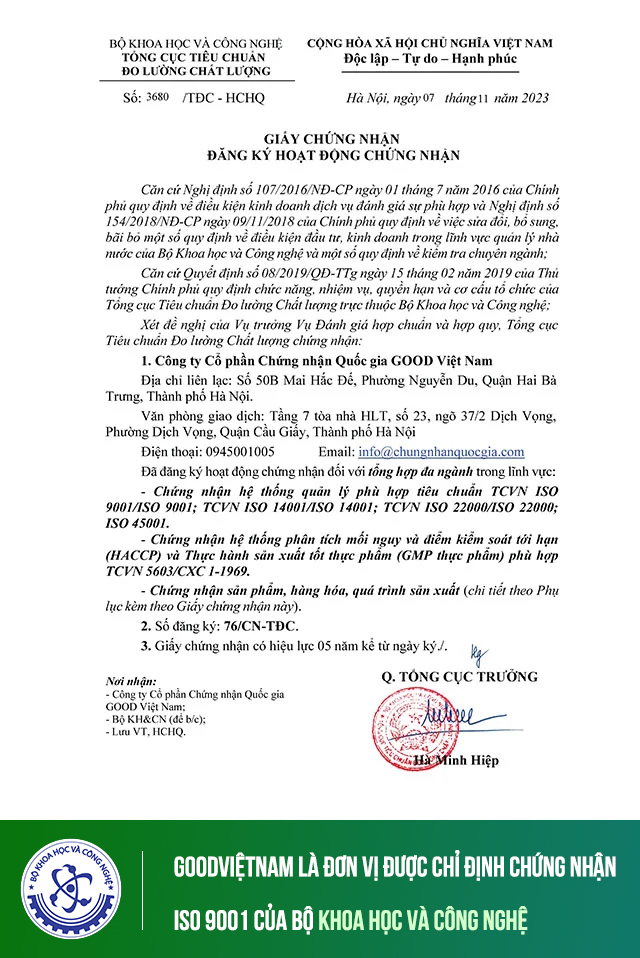
OPERATIONAL CAPACITY DESIGNATED BY
THE MINISTRY OF SCIENCE AND TECHNOLOGY
|
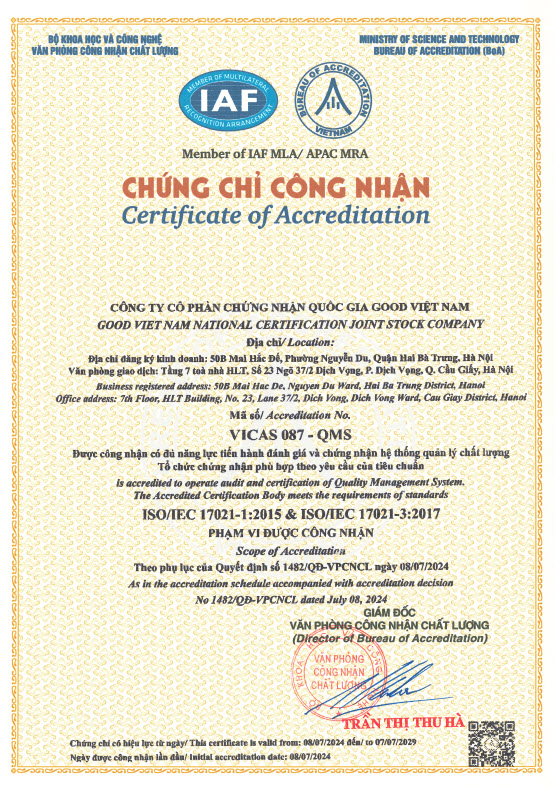
RECOGNIZED CAPACITY BY BOA – IAF ACCREDITATION FORUM
INTERNATIONAL CERTIFICATION
|
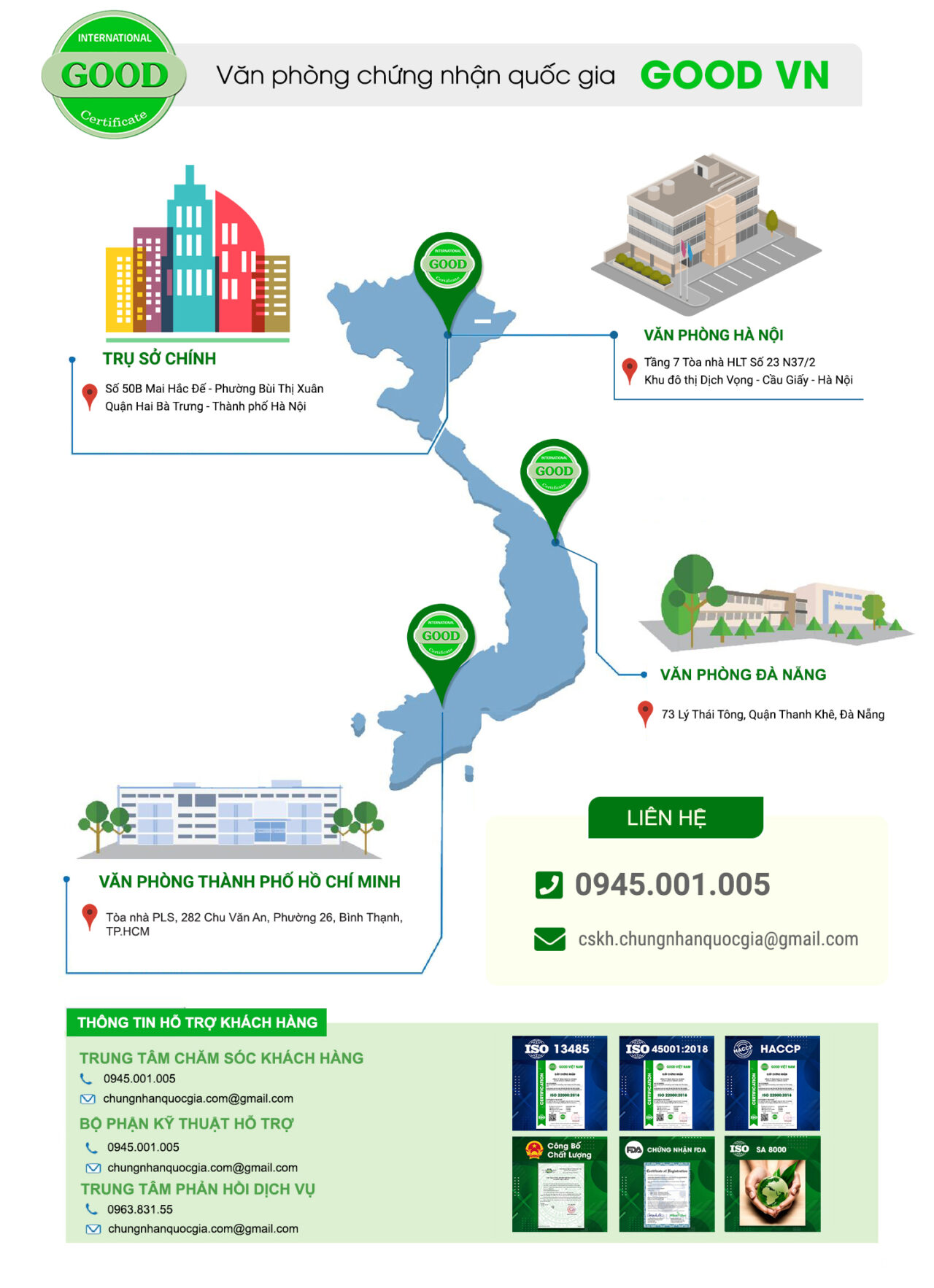 50+ EXPERTS NATIONWIDE 50+ EXPERTS NATIONWIDE
BRANCHES IN ALL THREE REGIONS
|
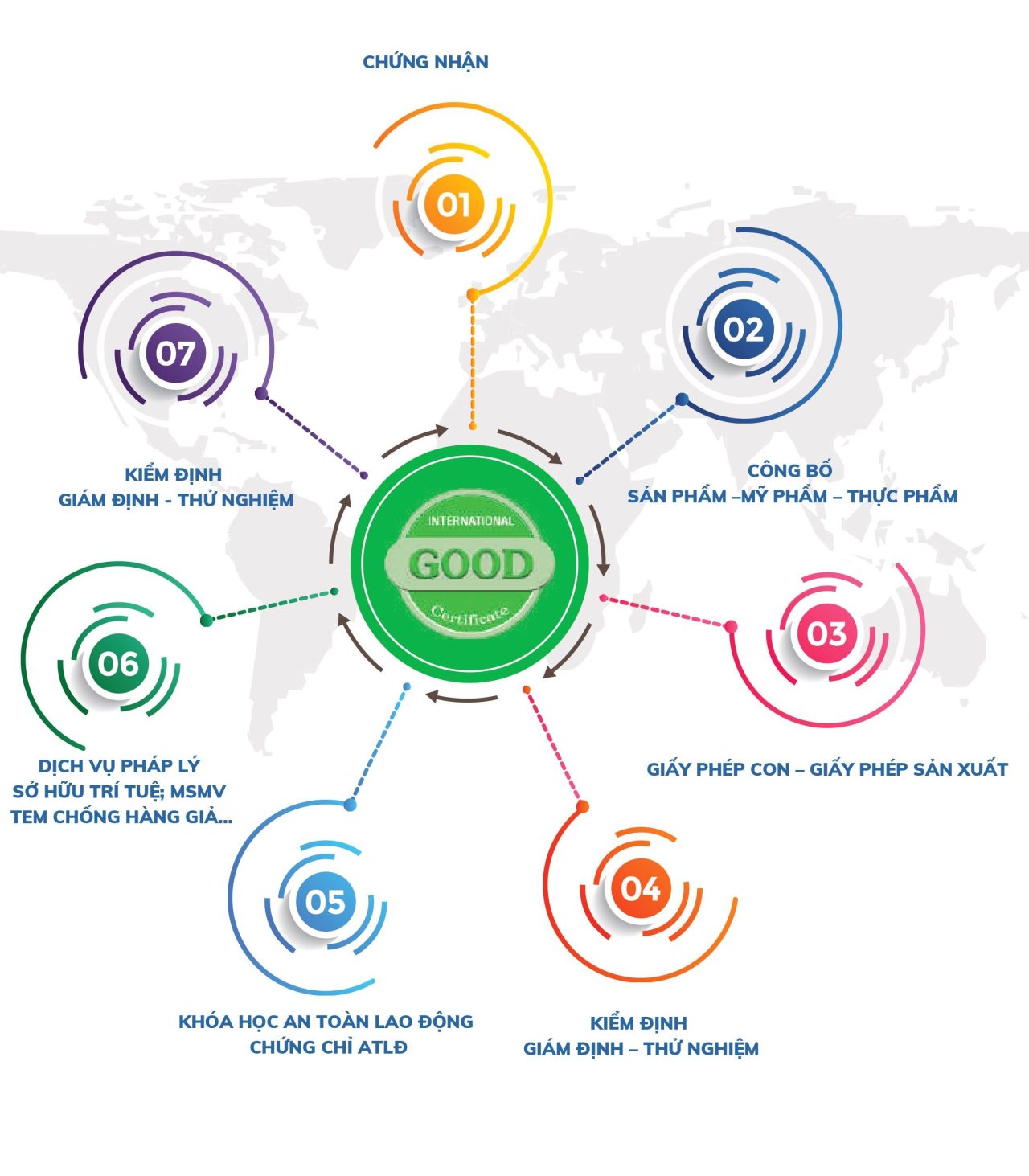
MULTI-SECTOR CERTIFICATION SERVICES
|
With the motto “Fast – Standardized – Friendly and Professional”: GOODVN always aims to minimize delays in certification processes to ensure businesses receive HACCP certification as quickly as possible while fully complying with standards and certification procedures.
How to Achieve HACCP Certification?
To achieve HACCP certification, your business will undergo an evaluation by a qualified and competent food safety assessor. The evaluation process typically takes a few days, depending on the size of your business, and your HACCP plan will be reviewed during this time.
Part of the evaluation is dedicated to ensuring that your HACCP plan is complete and that all food safety personnel understand its importance and how to apply it. Additionally, preparation before the certification assessment must be conducted to ensure all documentation is complete.
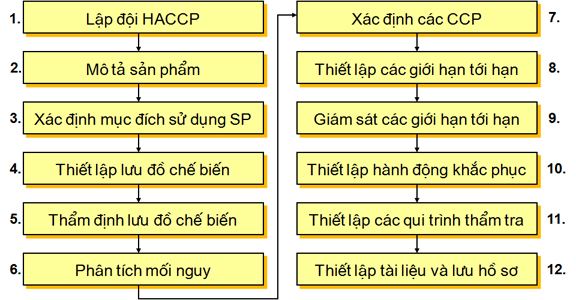
The HACCP certification assessment aims to review the seven core principles of the HACCP plan. Your food business is expected to establish and demonstrate stability in implementing the following principles:
- Identify and analyze hazards related to biological, chemical, or physical health risks in all processing steps for each product.
- Identify any critical control points (CCPs) in your production process.
- For each CCP, establish a set of critical limits, defining maximum and minimum parameter values that ensure food safety (pH value, temperature, chemical levels).
- Monitor your CCPs. Determine how you will test your food to prove it is safe for transportation, preparation, and sale. This principle also includes documentation, such as procedures and monitoring forms, to ensure all results in each process are recorded and properly controlled. It also includes comprehensive verification activities to ensure equipment used to check critical limits is properly calibrated.
- Corrective actions must be established. A set of procedures must be ready for non-compliance cases to ensure food safety and quality control are maintained, keeping hazards at acceptable levels. This principle includes proper guidance and awareness for food personnel on calibration processes.
- Verification tasks must be conducted. For example, establish reviews at various stages of your operational process to ensure your HACCP plan is being followed.
- Documentation is required, maintaining detailed records of your food safety practices to prove your HACCP plan is functioning correctly. These documents serve as records of past activities and evidence that your HACCP plan is operational.
The best way to ensure you are granted HACCP certification is to complete your HACCP plan as thoroughly as possible while testing and applying its effectiveness. It will not matter if your HACCP plan is complete if it is not suitable for your food operations and you have not implemented it.
Part of the evaluation criteria involves your records of timely responses to prioritize food safety. Reports of food safety issues due to non-compliance with food laws will lead to more scrutiny during the HACCP assessment process.
Reputable HACCP Certification Organization Good Vietnam
 |
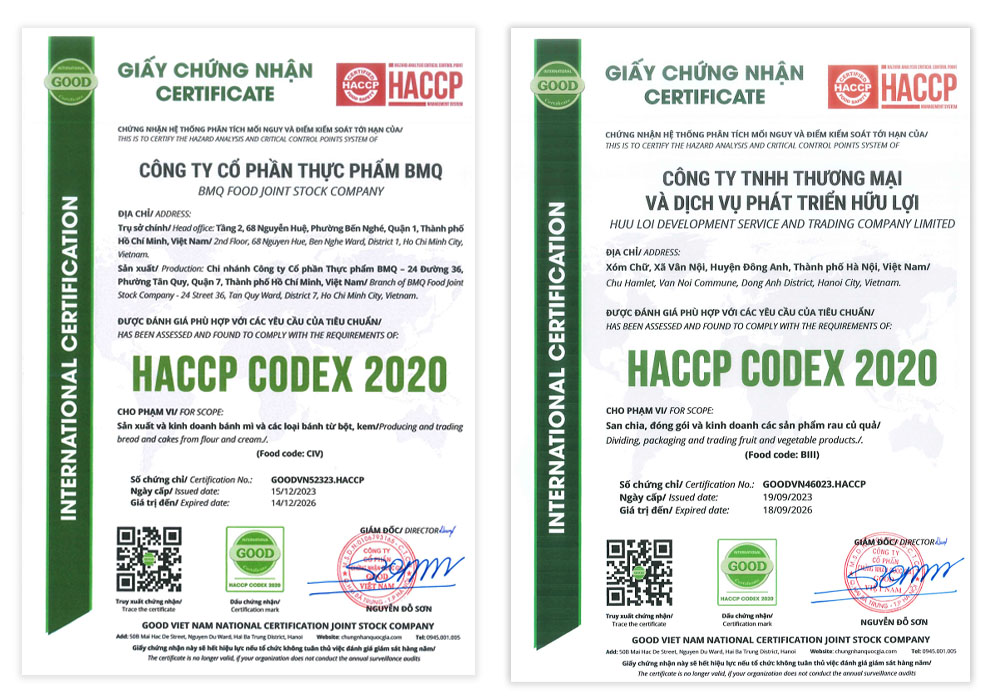
The National Certification Office – GOOD Vietnam is a HACCP certification organization licensed and designated by the Ministry of Science and Technology.
The HACCP certification, assessment, and certification process of GOODVN complies with legal regulations and the rules of the International Organization for Standardization (ISO).
|
 |
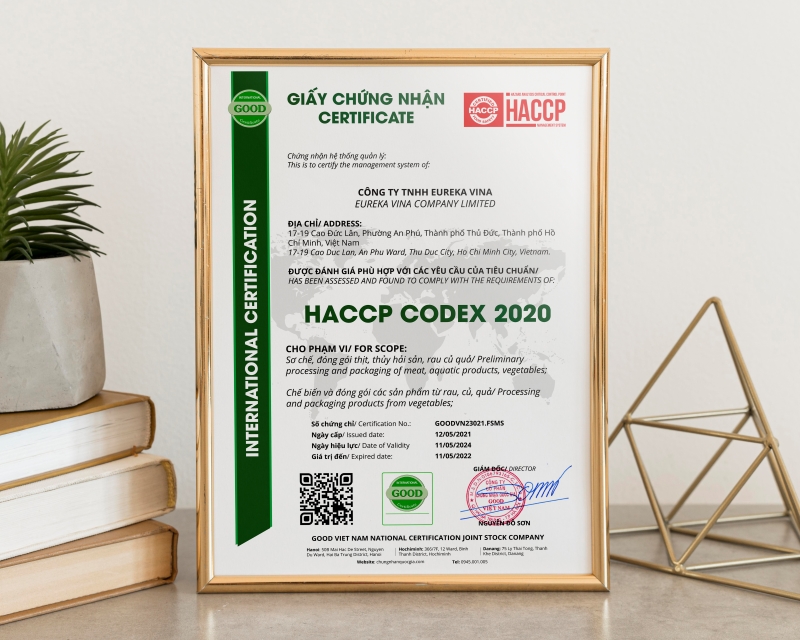
HACCP Certification issued directly by GOODVN is valid nationwide through its logo and certification mark.
Modern Certification with 4.0 Technology
With the motto “One assessment -> One certificate -> Accepted everywhere,” the certification incorporates 4.0 technology. GOODVN is a certification organization in Vietnam that has established a certificate traceability system through QR codes. This ensures that customers and their partners anywhere can verify the validity of the certificate using QR code scanning software on smartphones, connecting to the customer lookup system on the certification organization’s website. This promotes transparency and allows certificate information to be checked anytime, anywhere.
|
HACCP Certification Process at Good Vietnam
HACCP Certification proves that organizations have implemented a sustainable food safety management system. The business has established a program to monitor food safety hazards.
 Step 1: Certification Registration
Businesses need to provide basic information about the enterprise in the registration form. The registration form allows GOODVN to understand your facility and the processes related to your Food Safety Management System. This enables GOODVN to select an assessor with relevant experience for your business. It also allows GOODVN to determine the scope and duration of the assessment.
 Step 2: Sign Contract and Begin with a Preliminary Assessment (If Requested)
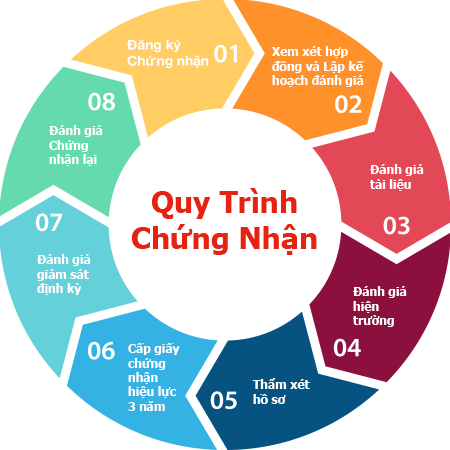
This allows GOODVN to assess the level of implementation or completion of the enterprise’s system. The result of the preliminary assessment will be a list of items that need to be developed and implemented before the certification assessment.
 Step 3: Conduct HACCP Certification Assessment
Phase 1 – Assessing the readiness of the enterprise. GOODVN focuses on key parts of the system, reviewing procedures and assessment locations.
Phase 2 – The HACCP certification assessment will comprehensively evaluate the HACCP Management System. The assessment covers all provisions of the HACCP standard. The purpose of this assessment is to determine whether the Food Safety Management System is fully implemented and effective at the enterprise.
 Step 4: Address Non-Conformities (If Needed)
If any non-conformities are identified, your facility will need to take corrective actions, including providing the root cause, corrective actions, and verification to allow the closure of non-conformities.
 Step 5: Issuance of HACCP Certification
If there are no non-conformities or once these non-conformities have been addressed, a full assessment report and certificate will be issued.
 Step 6: Annual Monitoring Cycle
Similar to other ISO standards, the HACCP certification cycle lasts three years. There are two monitoring audits with a maximum interval of 12 months each. A recertification assessment will be conducted when the certificate expires.
The certification organization GOODVN, which conducts HACCP certification assessments, will issue the HACCP certificate. This certification is then maintained through regular scheduled monitoring audits by the assessing agency, with recertification performed every three years.
Why Choose HACCP Certification Services at Good Vietnam
- GOOD VIETNAM is the entity directly issuing HACCP certification valid nationwide.
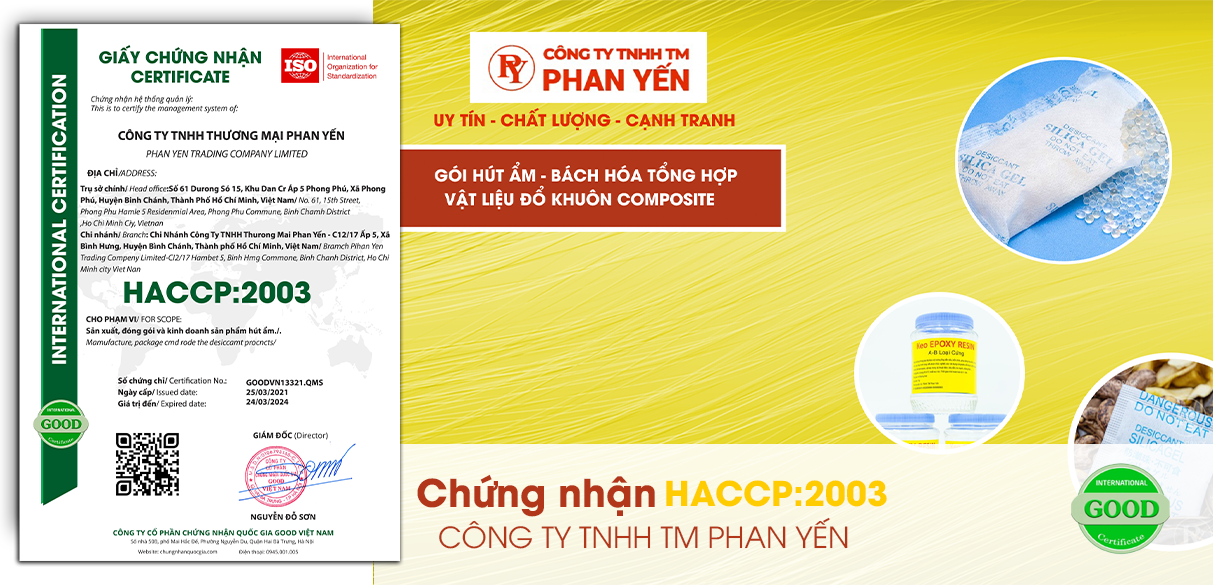
HACCP Certification is crucial for organizations operating in the production, processing, and supply of food. Therefore, in this article, we aim to help you better understand HACCP certification.
- Good Vietnam’s certification is recognized nationwide.
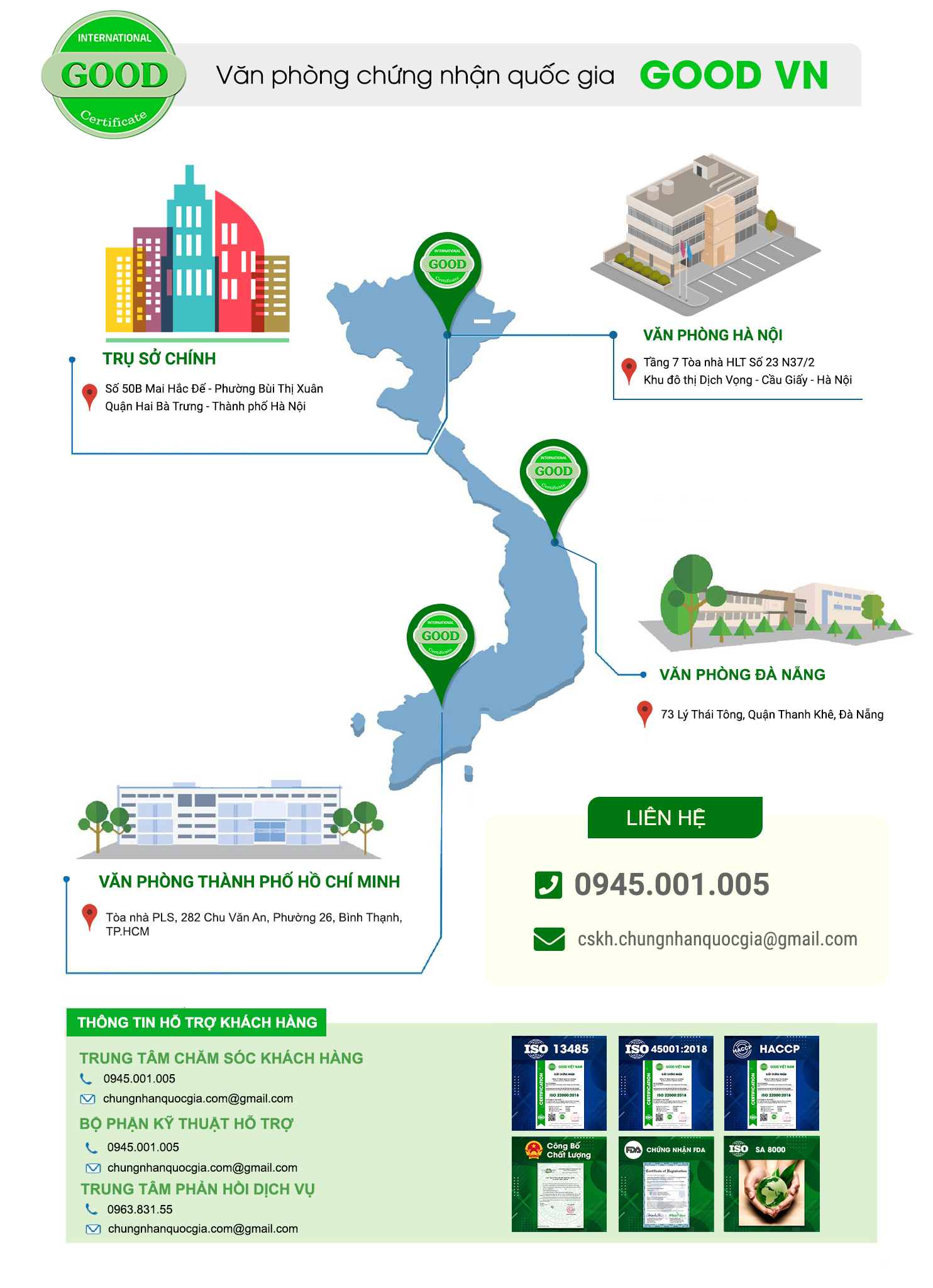
- A network of branches across all three regions ensures responsiveness to business needs anytime, anywhere.
- Good Vietnam guarantees fast assessment and certification while fully meeting ISO/IEC standards.
- Good Vietnam’s clients always receive the most competitive pricing.
- A team of highly qualified experts with over 10 years of experience provides dedicated and professional consulting support.